After waiting two days for Carlito’s body to be brought home, his family from here and from his home village was almost hysterical when the motor was heard pulling into port.
I received this e-mail from a friend Venezuela. Mike Dawson tells the story of a Yanomamö friend’s funeral. Carlito died in a town at the edge of the jungle area where the Yanomamö live. His death illustrates some of the struggles the Yanomamö face under the current government of Venezuela. These are our friends for whom we made The Enemy God film.
Mike writes….
After waiting two days for Carlito’s body to be brought home, his family from here and from his home village was almost hysterical when the motor was heard pulling into port. The crowd moved as one person so tightly were they all packed together as they rushed to the boat landing.
The crush of bodies almost swamped the boat as the men chosen to pick up the coffin fought their way through the wailing keening, mourners to do this last service for their friend. The noise of the crowd by this time was at such a crescendo that it was hard to hear anything coherent, just the noise. Above this noise, all of a sudden came a harsh beating sound. It took me by surprise as the Yanomamö do not use any form of a drum, but the sound did sound like a badly beaten drum. I then realized it was all the people around the coffin beating on it in their grief, imploring their loved one to get up and come out.
The funeral fire was started almost at once. Everyone knew time was of the essence now. Bodies don’t last long in the extremely high heat of the Amazon jungle and it had taken a long two days to get the body home. Since the Yanomamö cremate their dead, the coffin had to be opened and the body removed. When the coffin was opened, I cringed at the stench and wept for this added insult to my poor friends. It is bad enough that the only group of people that have really cared for them were expelled from the country and now they have to deal with this further proof that they are just not considered important enough to warrant an extra 15 minutes of flight time to bring the body all the way home. The coffin was just dropped off like a sack of dirty laundry no one wanted to do and they had to travel all the way down river by boat and bring the coffin home. Which meant way too much time in the hot sun.
It is times like this that is it so hard not to get bitter about how the government has treated these people. Promises and drastic changes, all in the name of “they could and would do it so much better,” were made but have never been completed. When the missionaries were handling the treatment and needed evacuations of the Indians, care was always taken to make sure the person was being treated. Many times, this even necessitated taking a person out of the hospital and placing them in a private clinic so they could get the care they needed, but no longer. They are taken out to town and abandoned to an overworked and uncaring health care system. Under the missionaries if the patient died, a whole team of missionaries sprang into action getting the needed paperwork to take the body home, pilots dropped what they were doing and planes were readied to make sure this happened as quickly as possible. Under missionary aviation there was an entire network of 86 little jungle airstrips giving access to the entire Indian population of Amazonas state. Now, the patient dies, and it is one huge mess of red tape and no one cares if it happens today or tomorrow, most of the time it is tomorrow, we are, after all, living in the land of mañana. Since missionary aviation was kicked out in 2006 only 6 of the 86 airstrips are still usable. These are the 6 government airstrips that are deemed to have strategic military value.
By this time, the fire is burning hot. The body is removed and laid in his hammock. This was difficult since rigor mortise has already set in and the body did not want to conform to the shape of the hammock, but somehow he was placed in and the ones designated to do this last act were bracing themselves for this last deed. At a signal, the hammock ropes were untied and with the hammock swaying between them the two chosen ran out to the fire, fighting their way through the crowd, who although knowing this had to happen, tried to delay it as long as possible. Finally they were close enough to heave their burden on the flames, the wails, by this time, a frightful sound. Additional lengths of firewood were quickly thrown on, covering the body for the last time.
I was standing possibly 15 yards from the fire and had to move back because of the heat from the now blazing inferno. The crowd of relatives was still there, many of them continuing to reach in for one last touch. I honestly have no idea how they could stay that close to the now blazing fire. They danced and wailed their grief. I cried with them. I knew Carlito was in a better place, but I cried because their grief was contagious. As I cried, while my mind was on Carlito, part of my mind noticed once again the fluid movements of the mourners. The Yanomamö are such a graceful people. Even in mourning their steps are a dance and listening to the crying you hear a song from each individual person. A song telling about the person who has died and their relationship to the person singing their song. It might be about a fishing trip they had gone on together, or maybe about his skill as a hunter or fisher, even a basket the person had made would be sung about. Now you notice that each person has a piece of the dead’s belongings. This is one of the last displays of his earthly posessions. They will be hidden away after the fire has burned down and when the bones are disposed of they will be brought out one last time and then destroyed.
Have you ever smelled a body burning? It is a smell that once you have experienced it, is something you will never forget. The fire burned down and the bones have been gathered. Now comes the hard part. Since Carlito was from another village, (he had come over on a visit about 15 years ago just as a young boy) he stayed and married a girl from here, but now his family is here and they are going to want to take his bones home. These will be used in their traditional “leaju” where they grind the bones into a powder and mix them in a plantain drink and drink them. This is a practice that this village has given up since the gospel has come. They now know their hope and confidence in being reunited with their loved one, is based on the finished work of Jesus Christ. This had been reaffirmed a few days earlier by a recording Greg Ihnen had emailed me. He had visited Carlito in the hospital and Carlito, knowing he was losing this battle, had asked Greg to tape a message from him to his family. I played it for them and in spite of their tears they heard him speak and in spite of the obvious pain in his voice, his message came through clear. “I know I am God’s and I am going to HIS land. Don’t be sad for me.”
But his family does not believe this, they are hurting and want to take his bones home. Normally, these types of issues are never resolved peacefully, but end in load shouts, threats, sometimes even blows and clubs. Worse case scenario, shots and arrows flying. But God gave Pablino real grace and wisdom as he dealt with his granddaughter’s family in law.
“My friends,” he said. “We are all grieving for the same person. You are suffering and we are suffering as well. Lets not add to our grief by shouting and yelling. I propose that we split the basket of bones, you take your basket and have your bone drinking leajuu and I will take my basket and burying them here in my house. We grieve over our loss. The person we are grieving is not here, it is not going to matter to him what we do with his bones. He is already at home with God. I know he has gone to be with our God. You do not believe this. That is ok. Now don’t call me when you are going to drink your bones and I won’t call you when I bury my bones. But lets don’t argue over this.” His suggestion was met with nods of approval and while each of the headmen had to have their say and the meeting would last another hour or more, it was a done deal.
Thank you all who have been praying for this village during this very difficult time. Again, it brings into full focus how terribly important air support was for this entire area. I don’t know if it would have saved Carlito’s life, it very possibly could have, as he would have been out to the hospital days earlier instead of having to go out by river. It would have also made his body’s return so much easier and less traumatic for the village. Please pray we can get our airstrip reopened and also that we can help the lady with the commercial air taxi company replace her airplane. She is $25,000 short of the purchase price and is asking us to help her by pre-purchasing a block of flight time for $25,000. This would keep her flying which is even more important to us. We need to keep her flying up here as if she has to quit, this is setting a very negative precedent which would impact us when we go to get our own plane flying up here. Thank you for your prayers!
Michael and Keila
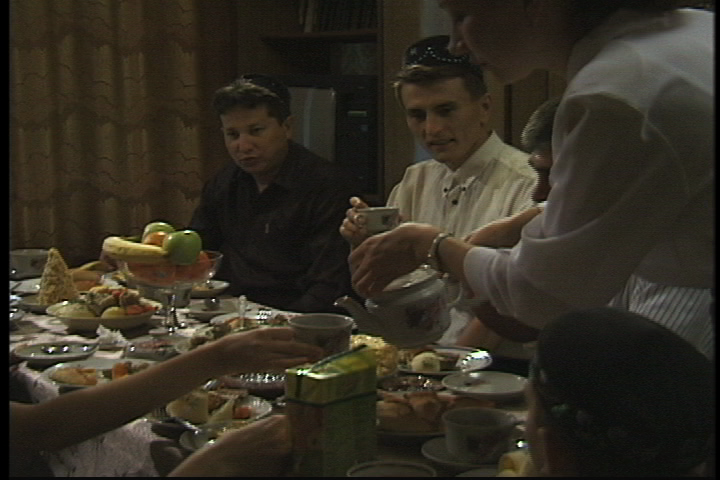 It was the first-ever dramatic film in the Tatar language. In 1998, it showed on state-run television in an Islamic Republic. And it tells the story of a man who grew up an atheist in Soviet times, became a devout Muslim, and then began a search for the forgiveness he desperately needed. What he discovered in the story of Abraham’s obedience to sacrifice his son brought a radical change, and freedom, to his life.
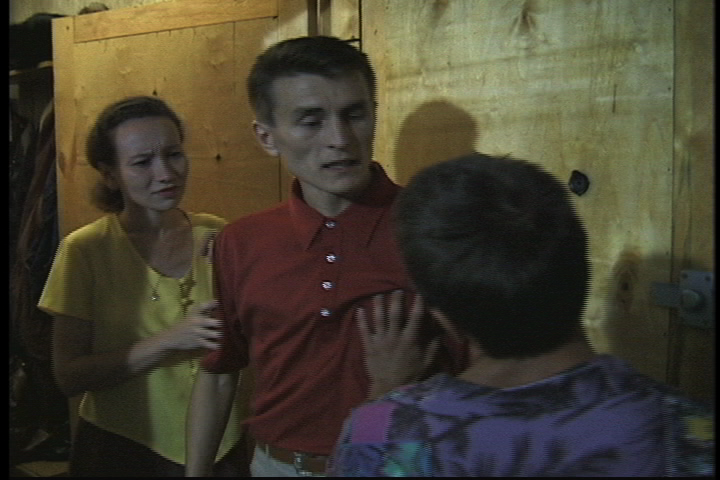 In just a few weeks we re-worked the script in three languages (Russian to English to Russian to Tatar) and we assembled a cast and crew of local folks with no experience in filmmaking or acting. We shot in tiny apartments, in country villages, on city streets, and even in the state government complex with a crowd of extras.
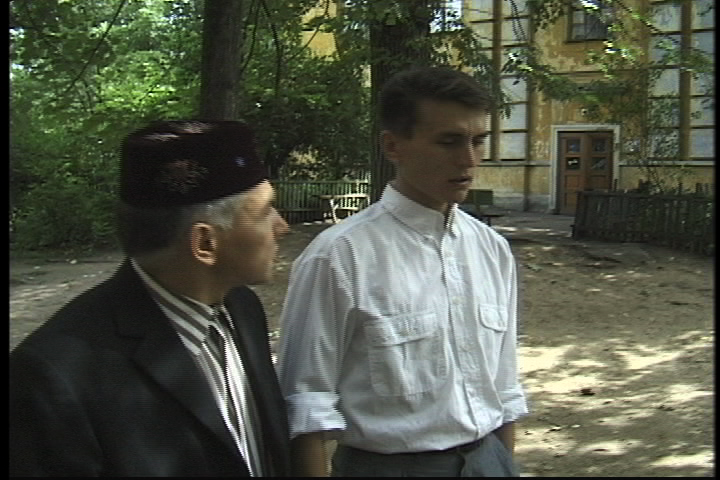 Korban has been sitting on our shelves here since that time, but we have had requests for translations into other languages. We’ve sent off master tapes and told folks to go for it in Farsi. Now, we’re working on an English version that we think will be interesting to folks who want to see the story. Finding a Tatar-speaker who can help us with the translation is a challenge, but we think we have found someone and are on our way to an English release. Stay tuned.
 MindSoulStory