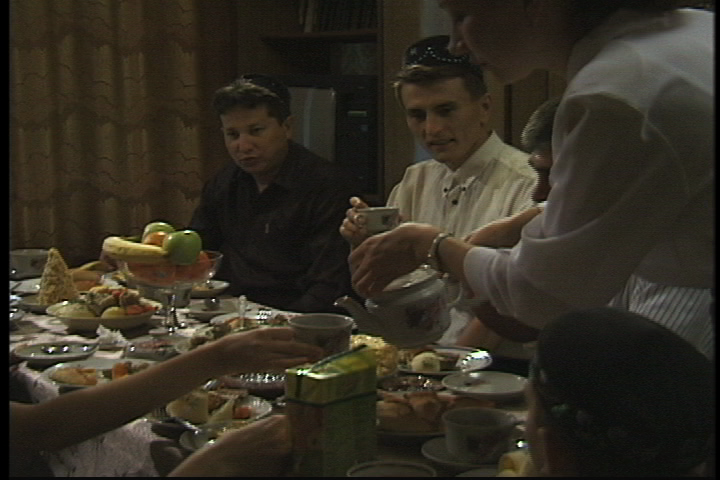
 It was the first-ever dramatic film in the Tatar language. In 1998, it showed on state-run television in an Islamic Republic. And it tells the story of a man who grew up an atheist in Soviet times, became a devout Muslim, and then began a search for the forgiveness he desperately needed. What he discovered in the story of Abraham’s obedience to sacrifice his son brought a radical change, and freedom, to his life.
The production of the film, called Korban, was a study in guerilla filmmaking with an eternal focus. With two other filmmakers, I traveled to an Islamic state within Russia to direct the production. It tells the story of a man whose life is an example of how the gospel reaches across cultures and political systems and religions to touch individuals to bring grace, forgiveness, and freedom.
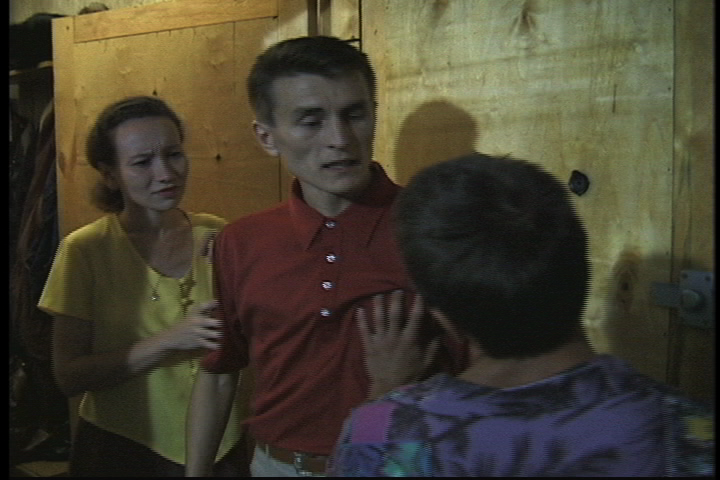 In just a few weeks we re-worked the script in three languages (Russian to English to Russian to Tatar) and we assembled a cast and crew of local folks with no experience in filmmaking or acting. We shot in tiny apartments, in country villages, on city streets, and even in the state government complex with a crowd of extras.
The end result is a 55 minute dramatic film – kind of a Central Asian soap opera, but with better acting. Because it was (and maybe still is) the only film ever produced in the Tatar language, it was a source of pride to the people. Despite the clear message about Jesus, the film was shown on state-run television and has been bootlegged all over the region.
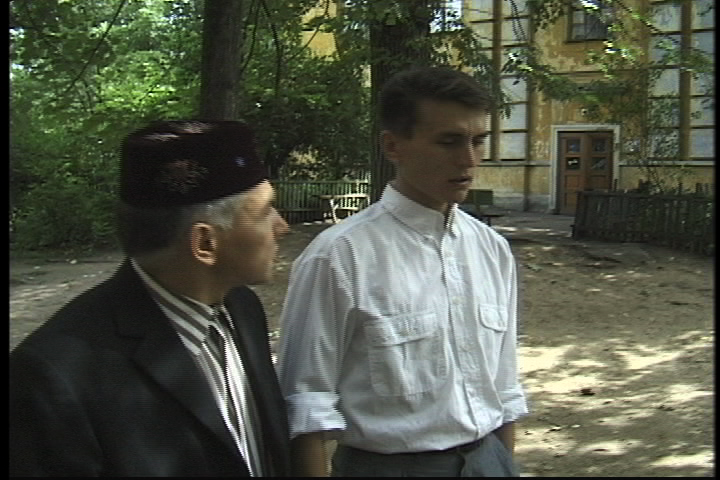 Korban has been sitting on our shelves here since that time, but we have had requests for translations into other languages. We’ve sent off master tapes and told folks to go for it in Farsi. Now, we’re working on an English version that we think will be interesting to folks who want to see the story. Finding a Tatar-speaker who can help us with the translation is a challenge, but we think we have found someone and are on our way to an English release. Stay tuned.

 MindSoulStory